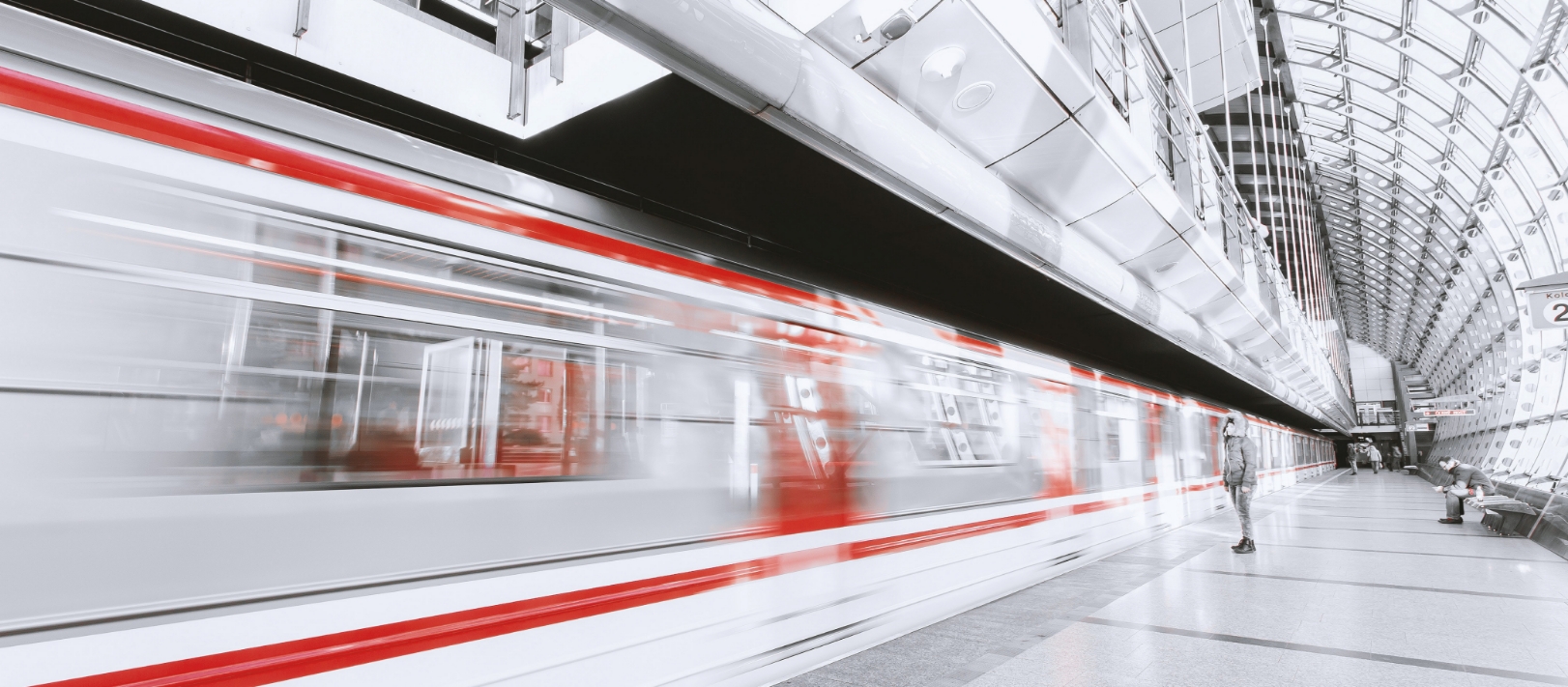




Subways are primarily composed of two major components: stations and tunnels. Subway stations, according to urban planning and control requirements, shall have a soil cover of no less than 3 meters above the main structure if located under major urban roads, and no less than 2 meters if under minor urban roads. The station consists of public areas, administrative spaces, and equipment rooms. The entire length of a subway station typically exceeds 160 meters. Underground railways are essentially isolated from the atmosphere, and the outdoor temperature and humidity have only an indirect impact on the air conditioning load of subway stations.
Subway stations are characterized by large volumes and high passenger densities; the passenger flow is constantly variable, leading to significant fluctuations in air conditioning loads. Moreover, the subway air conditioning systems must be capable of unattended operation, with the ability to start with a single press of a button. They should also be easy to maintain. The air conditioning energy consumption in subway spaces, as a typical example of large underground constructions, constitutes a significant portion of the total energy usage in subway systems. Consequently, the rational design and optimized operation of subway air conditioning systems are pivotal for achieving energy efficiency in subway operations.
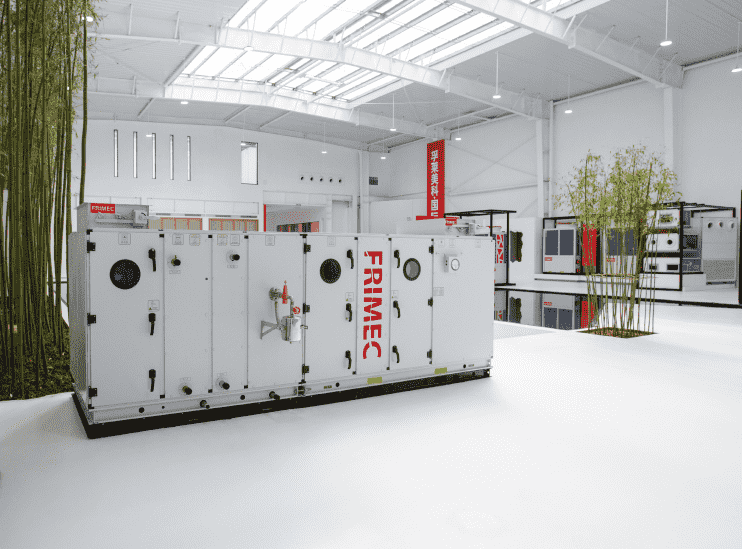
The high-efficiency centrifugal units, diverse terminal equipment, and integrated optimization of the chiller plant control system provided by Frimec can perfectly meet the various demands of rail transit systems. This configuration significantly reduces operational energy consumption, creating a comfortable, efficient, and energy-saving air conditioning system.