
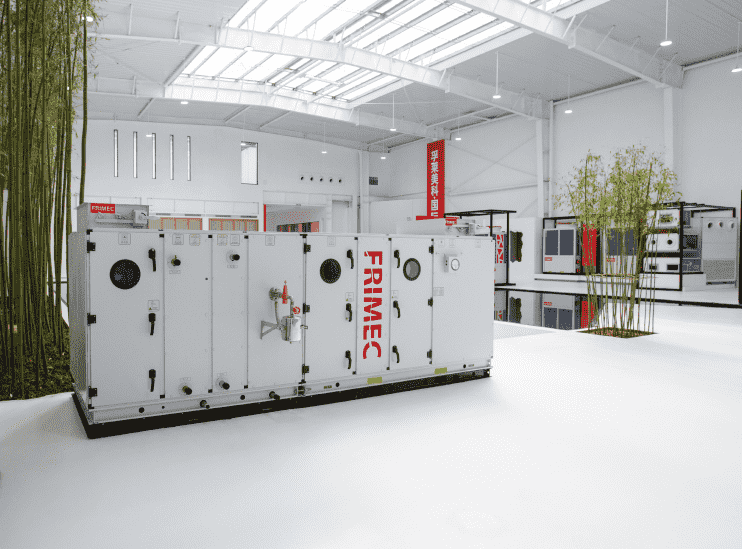




Production buildings in industries such as machinery, metallurgy, and textiles are typically single-story industrial buildings, According to production requirements, many of these facilities are multi-span single-story industrial buildings, which are multiple spans of parallel arrangements, with each span being the same or different depending on the need. The architectural width (span), length, and height of single-story factory buildings are determined based on process requirements, while adhering to certain building modular standards. The spans of factory buildings are typically 6, 9, 12, 15, 18, 21, 24, 27, 30, 36m... The length of factory buildings can range from several tens of meters to several hundred meters. The height of factory buildings typically ranges from 5 to 6m for lower structures, while taller buildings can reach 30 to 40m or even higher.
The span and height of factory buildings are primary considerations in the design of their lighting systems. Additionally, considering the continuity of industrial production and the need for product transportation between different sections, most industrial buildings are equipped with cranes. These cranes can vary in capacity, ranging from light-duty with a capacity of 3 to 5t, to heavy-duty cranes capable of lifting several hundred tons (with the current maximum capacity in the machinery industry reaching up to 800t for a single crane). Hence, factory lighting is typically achieved through fixtures mounted on the building’s truss system.


