Industrial Factory Buildings and Manufacturing Workshops
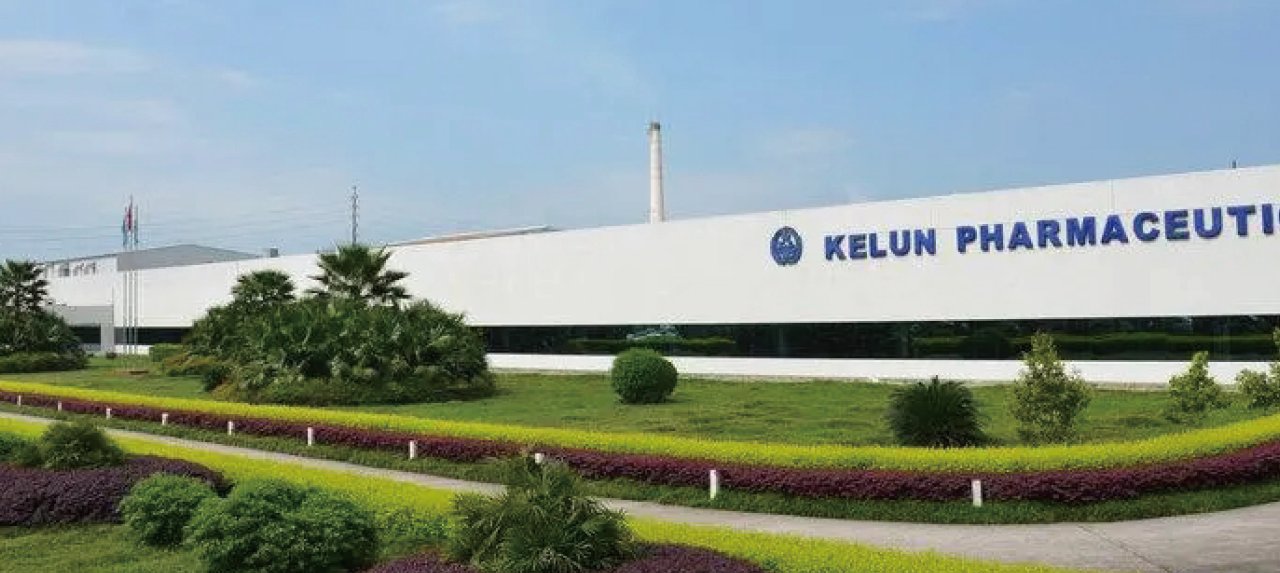
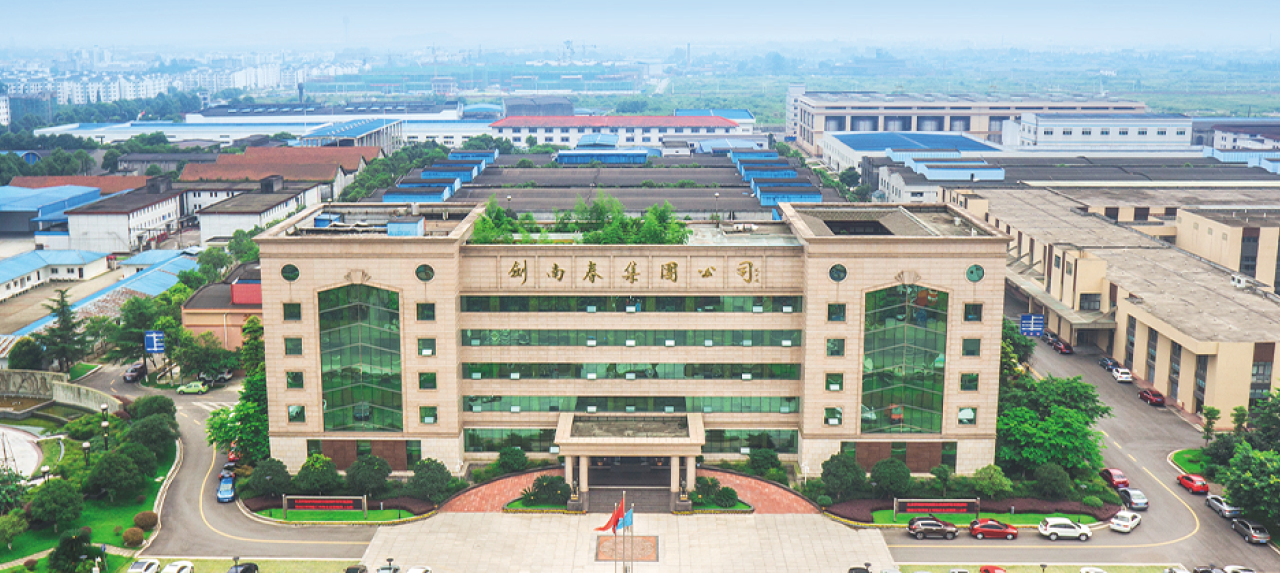
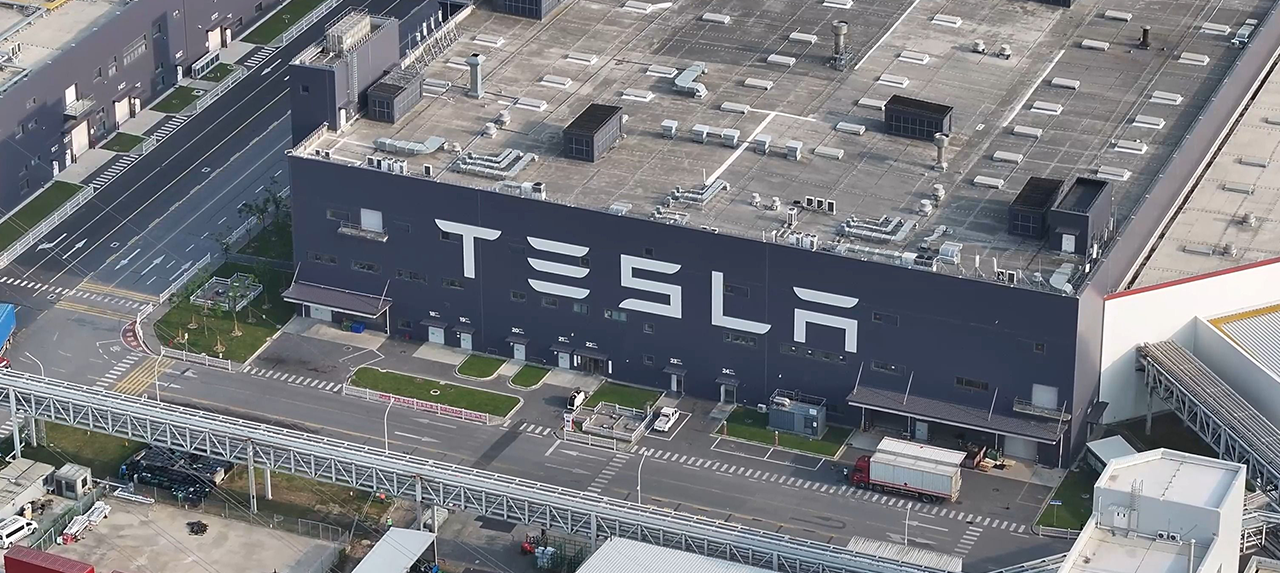
Production buildings in industries such as machinery, metallurgy, and textiles are typically single-story industrial buildings, According to production requirements, many of these facilities are multi-span single-story industrial buildings, which are multiple spans of parallel arrangements, with each span being the same or different depending on the need. The architectural width (span), length, and height of single-story factory buildings are determined based on process requirements, while adhering to certain building modular standards. The spans of factory buildings are typically 6, 9, 12, 15, 18, 21, 24, 27, 30, 36m... The length of factory buildings can range from several tens of meters to several hundred meters. The height of factory buildings typically ranges from 5 to 6m for lower structures, while taller buildings can reach 30 to 40m or even higher.
Rail Transit
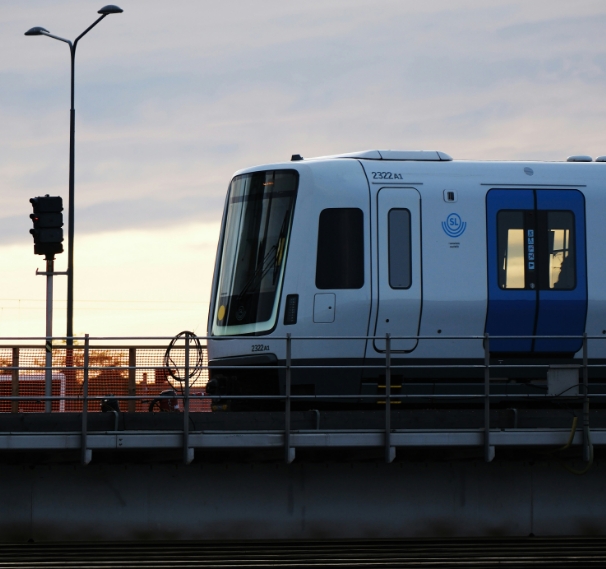
Subways are primarily composed of two major components: stations and tunnels. Subway stations, according to urban planning and control requirements, shall have a soil cover of no less than 3 meters above the main structure if located under major urban roads, and no less than 2 meters if under minor urban roads. The station consists of public areas, administrative spaces, and equipment rooms. The entire length of a subway station typically exceeds 160 meters. Underground railways are essentially isolated from the atmosphere, and the outdoor temperature and humidity have only an indirect impact on the air conditioning load of subway stations.
Large Data Centers
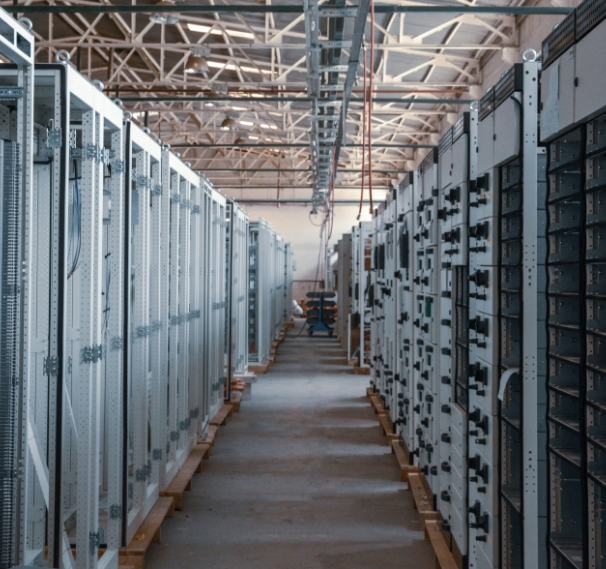
Data centers are primarily designed to provide a controlled operating environment for servers, storage devices, and other equipment. These servers and devices operate continuously throughout the year, demanding stringent requirements for their environment, including temperature, humidity, and air cleanliness.













 Portugal